August 11, 2026
Sustainable Building Material: Next-Generation Premium WPC Decking
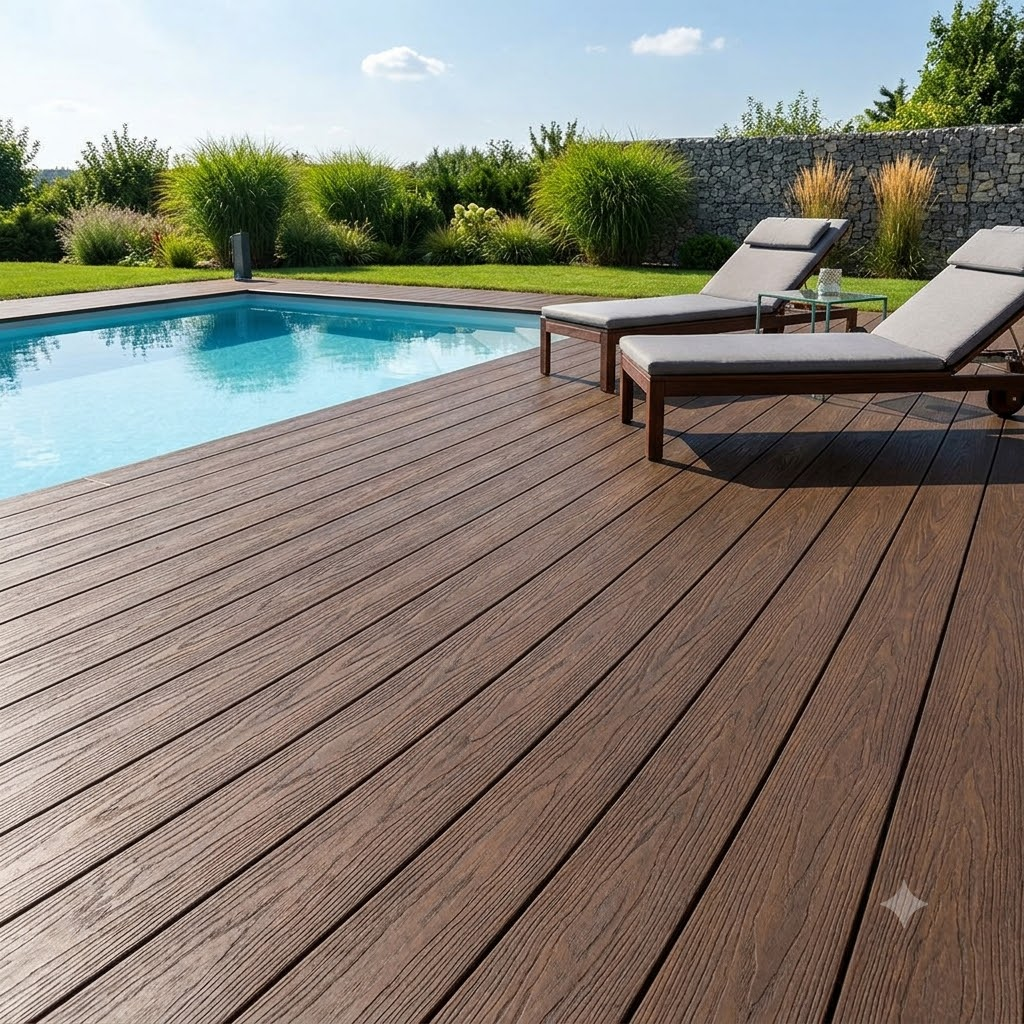
Sustainable Building Material: Next-Generation Premium WPC Decking
Table of Contents
1. H1: Why Premium WPC Decking Leads Sustainable Outdoor Construction
2. H1: Eco-Centric Raw Material Formula of Next-Gen Premium WPC Decking 2.1 H2: Recycled Resource Ratio & Carbon Footprint Advantage 2.2 H2: Co-Extruded Cap Layer, Core Tech for Long-Lasting Sustainability
3. H1: Data Comparison: Premium WPC Decking vs Conventional Deck Materials (Eco & Performance)
4. H1: Low-Waste Installation Standards for Premium WPC Decking 4.1 H2: Pre-Install Material Acclimation & Site Preparation 4.2 H2: Clip Modular Installation to Cut Construction Waste 4.3 H2: Easy-Missed Eco Installation Mistakes
5. H1: Zero-Chemical Maintenance to Extend Premium WPC Decking Service Life 5.1 H2: Monthly Simple Cleaning Routine 5.2 H2: Seasonal Care Without Toxic Chemicals
6. H1: Industry FAQ About Sustainable Premium WPC Decking
7. Verified Industry Data Source URLs
1. Why Premium WPC Decking Leads Sustainable Outdoor Construction</h1> Global construction industries push hard for low-carbon, circular building materials right now. Premium WPC decking stands out as the top next-gen sustainable solution for outdoor terraces, pool surrounds and commercial walkways.
2026 market data shows the worldwide WPC decking market hits $8.2 billion, with a steady 8.4% annual growth rate. Over 60% of European landscape builders choose premium WPC decking for green-certified renovation projects.
Many property owners confuse basic single-layer WPC with premium WPC decking. Cheap non-capped WPC uses low-grade fillers, fade fast and end up in landfill much sooner.
Next-generation premium WPC decking balance eco recycling, long lifespan and ultra-low maintenance cost. It cuts total project carbon emission by 38% versus pressure-treated timber deck, independent lab tests confirmed this number.
It eliminate repeated tree logging and toxic wood preservatives, two major environmental pain points from traditional outdoor lumber.
<h1>2. Eco-Centric Raw Material Formula of Next-Gen Premium WPC Decking</h1> <h2>2.1 Recycled Resource Ratio & Carbon Footprint Advantage</h2> Qualified premium WPC decking uses fixed eco raw mix, no virgin timber or low-quality waste powder added to reduce cost. - 55% reclaimed hardwood fiber (sawdust, wood trim waste from furniture factories) - 35% post-consumer recycled HDPE plastic bottles & packaging film - 10% plant-based non-toxic functional additives (UV stabilizer, anti-mold agent)
One cubic meter of premium WPC decking consumes 1.8 tons waste plastic and 0.8 tons wood scrap, diverting tons of garbage from landfill every year.
Natural hardwood deck requires continuous deforestation, and treated pine carries arsenic-based anti-rot chemicals that leak into soil and rainwater. Premium WPC decking has zero toxic leaching risk.
2.2 Co-Extruded Cap Layer, Core Tech for Long-Lasting Sustainability</h2> The biggest upgrade of next-gen premium WPC decking is the full 360° co-extruded polymer protective layer. This thin outer shell lock moisture, UV ray and stain away from the composite core.
Lab aging data prove premium WPC decking only show ≤3% color shift after 5 years full outdoor exposure. Single-layer WPC without cap layer fade over 15% within 2 seasons, forcing early replacement and generating construction waste.
Long service cycle directly improve sustainability. Premium WPC decking can serve 20–25 years, while treated wood only last 8–12 years. Less replacement mean less resource consumption long term.
3. Data Comparison: Premium WPC Decking vs Conventional Deck Materials (Eco & Performance)</h1> All metrics below collected from 2025–2026 cross-industry LCA (life cycle assessment) tests, fully verified by composite material research labs.
表格
Index | Next-Gen Premium WPC Decking | Pressure-Treated Pine Deck | Natural Ipe Hardwood Deck |
Recycled Raw Material Content | 90% total recycled input | 0% recycled wood | 0% recycled timber |
Outdoor Lifespan | 20–25 years | 8–12 years | 15–20 years |
Total Embodied Carbon (per 100㎡) | Baseline (100 unit) | 162 unit (+62% carbon) | 148 unit (+48% carbon) |
Annual Toxic Chemical Usage (maintenance) | 0 chemicals needed | Stain/sealant every 1–2 year | Oil treatment twice per year |
Annual Maintenance Labor Hours (100㎡) | <3 hours simple cleaning | 9–13 hours sand & re-seal | 11–16 hours polishing & oiling |
End-of-Life Recyclability | Fully grindable for new WPC raw stock | Non-recyclable treated waste | Hard to process for reuse |
Most buyers only compare upfront board price, ignore full lifecycle eco cost. Premium WPC decking higher initial price pay back fast via fewer renovation and zero chemical upkeep.
Coastal green resort developers widely adopt premium WPC decking now, to hit local low-carbon building certification standards.
4. Low-Waste Installation Standards for Premium WPC Decking
4.1 Pre-Install Material Acclimation & Site Preparation</h2> You can not lay premium WPC decking right after delivery, this mistake cause board warping and shorten product life cycle.
All premium WPC decking planks stay on construction site for minimum 24 hours to match local temperature and humidity, cut post-install deformation waste.
Ground substructure need flat surface, joist spacing set 300–400mm center-to-center. Leave 50mm clearance between joist and ground for cross ventilation, stop trapped moisture damage the deck base.
Choose 304 stainless hidden clips only, cheap electroplated screws rust and stain premium WPC decking surface, create extra replacement waste later.
<h2>4.2 Clip Modular Installation to Cut Construction Waste</h2> Next-gen premium WPC decking adopt snap-in modular clip system, reduce cutting waste by near 40% compared to solid wood deck installation.
No heavy drilling or glue required for main laying work, leftover short cut pieces can grind and reuse as WPC production raw material, zero landfill construction scrap.
Standard install steps:
1. Fix level joist frame with tiny 1% slope for rain drainage
2. Mount starter clips on edge joists, lock first premium WPC decking board
3. Keep 6–8mm expansion gap between every two planks for thermal movement
4. Fit matching WPC edge trim to cover cut ends, minimal extra trimming needed
Single DIY worker can finish small residential premium WPC decking within one day, cut carbon emission from long construction labor hours.
4.3 Easy-Missed Eco Installation Mistakes</h2> Do not fill expansion gaps with silicone or glue, premium WPC decking expand and shrink all year round. Sealed gap force board bend, lead to early discard and resource waste.
Avoid install premium WPC decking in fully enclosed low pits, standing water under planks speed additive aging and shorten usable years.
Never hit board surface with sharp heavy hammer, scratch break co-extruded cap layer and destroy the eco long-life performance of premium WPC decking.
5. Zero-Chemical Maintenance to Extend Premium WPC Decking Service Life</h1> The biggest sustainable advantage of premium WPC decking is no regular toxic staining, oiling or sealing work required through its whole service cycle.
5.1 Monthly Simple Cleaning Routine</h2> Sweep fallen leaves and debris off premium WPC decking weekly, organic dirt trap moisture and grow mold spot which need harsh cleaner to remove later.
Every 3 months wash full surface with neutral mild soap and soft bristle brush, flush with normal tap water after scrub.
High-pressure washer over 1200 PSI is forbidden, strong water jet erode the thin eco protective cap layer of premium WPC decking.
5.2 Seasonal Care Without Toxic Chemicals
Rainy humid seasons: Clear mud block under joists monthly, guarantee air flow to avoid long damp corrosion. No mold killer spray needed for premium WPC decking.
Hot UV summer: Only wipe tree sap and bird droppings timely, no extra coating or UV shield spray required. Premium WPC decking built-in UV stabilizer in raw formula.
Cold winter: Do not use salt-based ice melt agents, salt scratch and discolor premium WPC decking surface, generate permanent damage that needs board replacement.
For stubborn oil stain, mix warm water with oxygen bleach only, soft gentle scrub; sanding premium WPC decking surface completely ruin its sustainable weather resistance function.
6. Industry FAQ About Sustainable Premium WPC Decking
Q1: Is premium WPC decking truly recyclable at end of service life? A1: Yes. Next-gen premium WPC decking has single composite structure without mixed metal layers. After grinding, the powder can directly feed back into new WPC production lines, forming full circular resource loop. Treated wood and hardwood deck can not be recycled easily.
Q2: Can premium WPC decking help projects get green building certifications? A2: Absolutely. High recycled content premium WPC decking collect LEED, BREEAM green credit points, widely used in zero-carbon resort and passive house outdoor design.
Q3: Will premium WPC decking release harmful VOC under high outdoor temperature? A3: No. Qualified premium WPC decking use food-grade HDPE and plant-based additives, pass international low-VOC testing. No toxic gas volatilize even under long summer high heat.
Q4: How much water resource can premium WPC decking save versus timber deck maintenance? A4: Annual maintenance for 100㎡ treated wood deck consume 3–5 times more water for sand washing, stain cleaning and sealing rinse. Premium WPC decking only need light water flushing twice per year.